
A freelancer in Wellington has just been paid and wants to know how much to set aside for tax. A café owner in Melbourne needs to cover a supplier bill before weekend takings arrive. Meanwhile, a Kiwi founder selling overseas is trying to work out where the money went between checkout, currency conversion and their bank account.
They're all hunting for money tools on the same afternoon. But they don't need the same app.
That's why real fintech examples beat theory. A slick interface tells you little about who moves the money, who carries the risk or which fee makes the business work. The useful lesson sits underneath: a tax service that acts when income arrives, a payment platform that handles checkout, or a lender that fits repayments around business cash flow.
The Founder Connects fintech landscape breakdown gives broader category context. These picks take a closer look at the mechanics across tax, wealth, payments, lending and financial infrastructure.
One caveat: fees and features change. Treat each example as a business-model lesson, not a blanket recommendation.
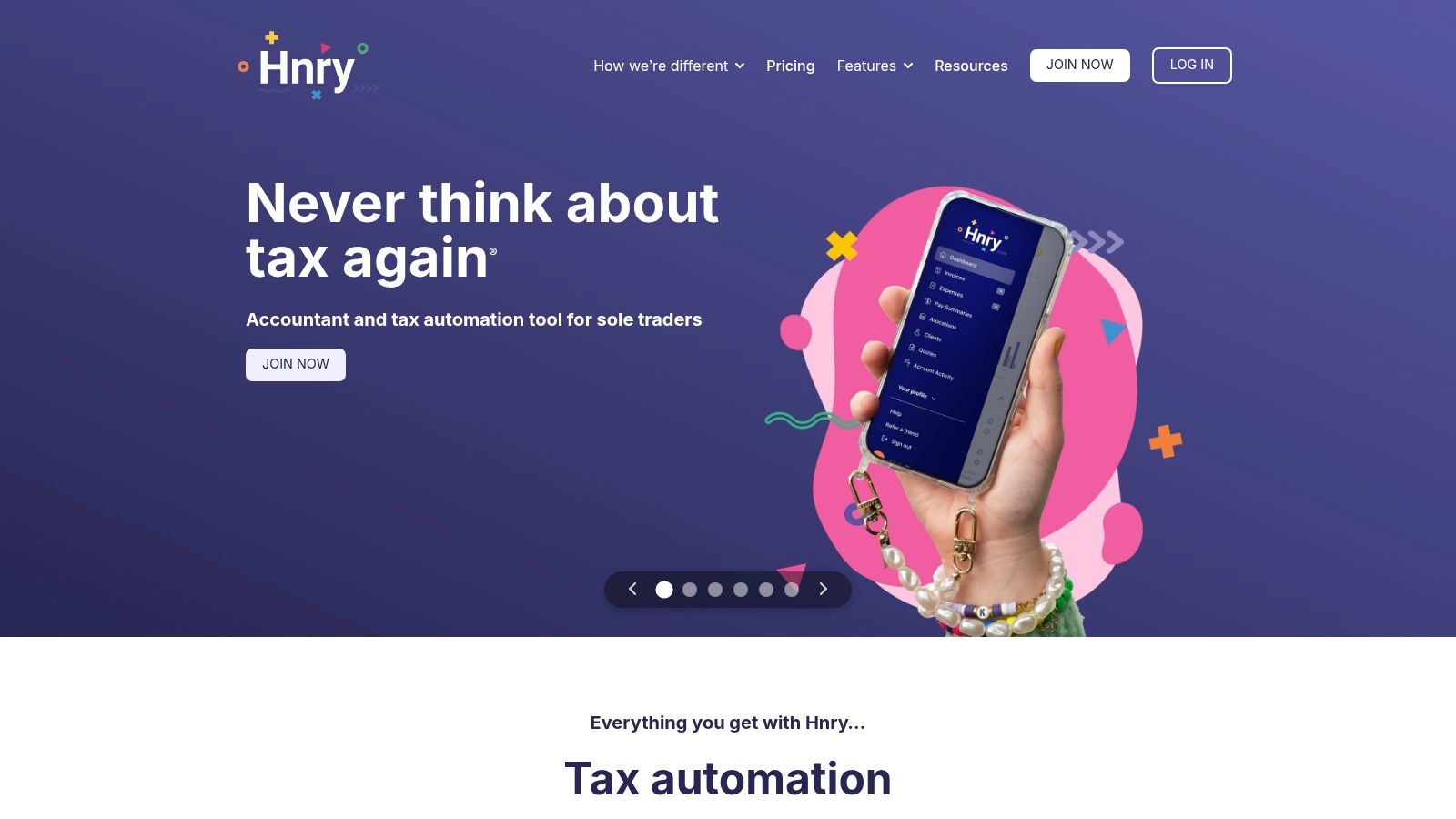
Tax software can show a freelancer what they owe. Hnry goes further by handling the work around that obligation. The New Zealand-founded service combines software with accounting support for sole traders, contractors and freelancers.
Hnry calculates and pays income tax, GST and ACC as income arrives. It also brings together invoicing, expense management, accountant support and tax-return filing. That's a different proposition from selling someone another dashboard to check.
The move worth copying is acting at the moment money arrives. A self-employed person may understand tax perfectly well and still struggle to keep the right amount aside when rent, subscriptions and groceries compete for the same balance.
Hnry connects that moment to a task the customer wants finished. For founders, this is a useful distinction: showing a problem isn't the same as resolving it.
Founder lesson: If customers still need to interpret the screen and do the awkward part themselves, you may have built a reporting tool rather than a solution.
There's an operational catch, too. Bundling human support with software means founders must price for exceptions, questions and messy records. Automation should handle routine work, while customers need a clear route to a person when their situation doesn't fit.
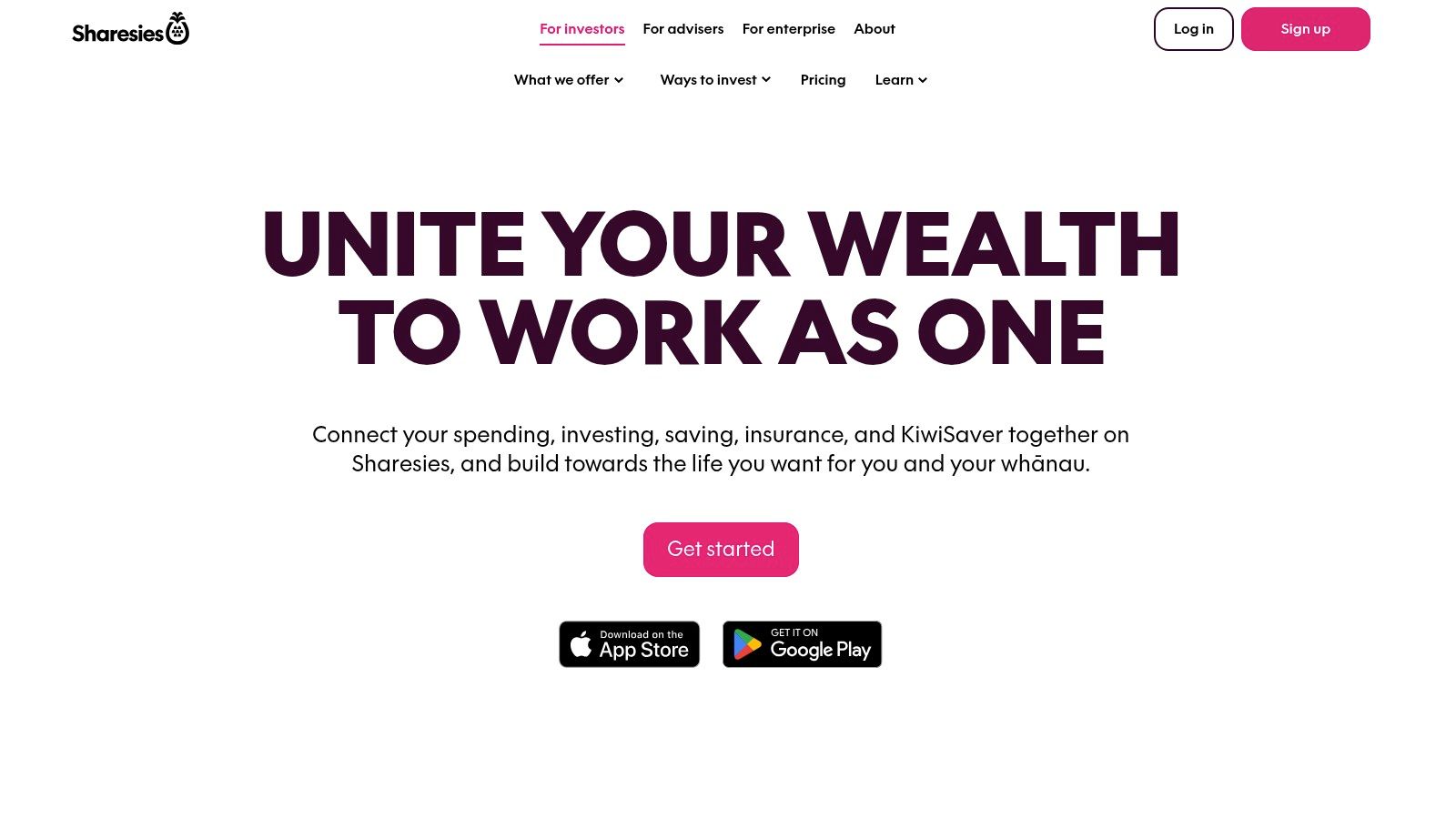
An investing app can make getting started feel less daunting. It can't make an investment safe. Sharesies is worth studying for how it brings wealth products into an accessible digital service without changing that basic distinction.
The New Zealand-founded platform operates in New Zealand and Australia. Sharesies offers access to New Zealand, Australian and US shares and funds, alongside KiwiSaver and savings products in New Zealand. It also provides business services, including employee share schemes and share registry support.
The move worth copying is reducing the effort needed to begin. Clear navigation, plain language and a manageable purchase flow can help a hesitant customer take action.
That same ease creates a design responsibility. Buying should be straightforward, but users still need to understand what they're buying, what it costs and how they could lose money. A cheerful confirmation screen isn't investment advice.
Sharesies offers pay-as-you-go investing and monthly plans. That gives customers different ways to pay, but it also makes usage patterns part of the comparison: purchase frequency, transaction size and product choice can affect which arrangement suits them.
For a broader comparison, the guide to investment apps available in New Zealand is a useful companion.
Who does it suit? People who want digital access to investing and related wealth products, rather than a platform that assumes they already know the ropes. Product availability and terms need to be assessed for the relevant country.
For founders, the restraint matters as much as the convenience. Don't remove a warning because it slows conversion. Make the warning understandable, then let the customer decide.
Splitting a bill sounds like a small problem. It stops feeling small when someone needs bank details, another person forgets, and the organiser ends up chasing everyone.
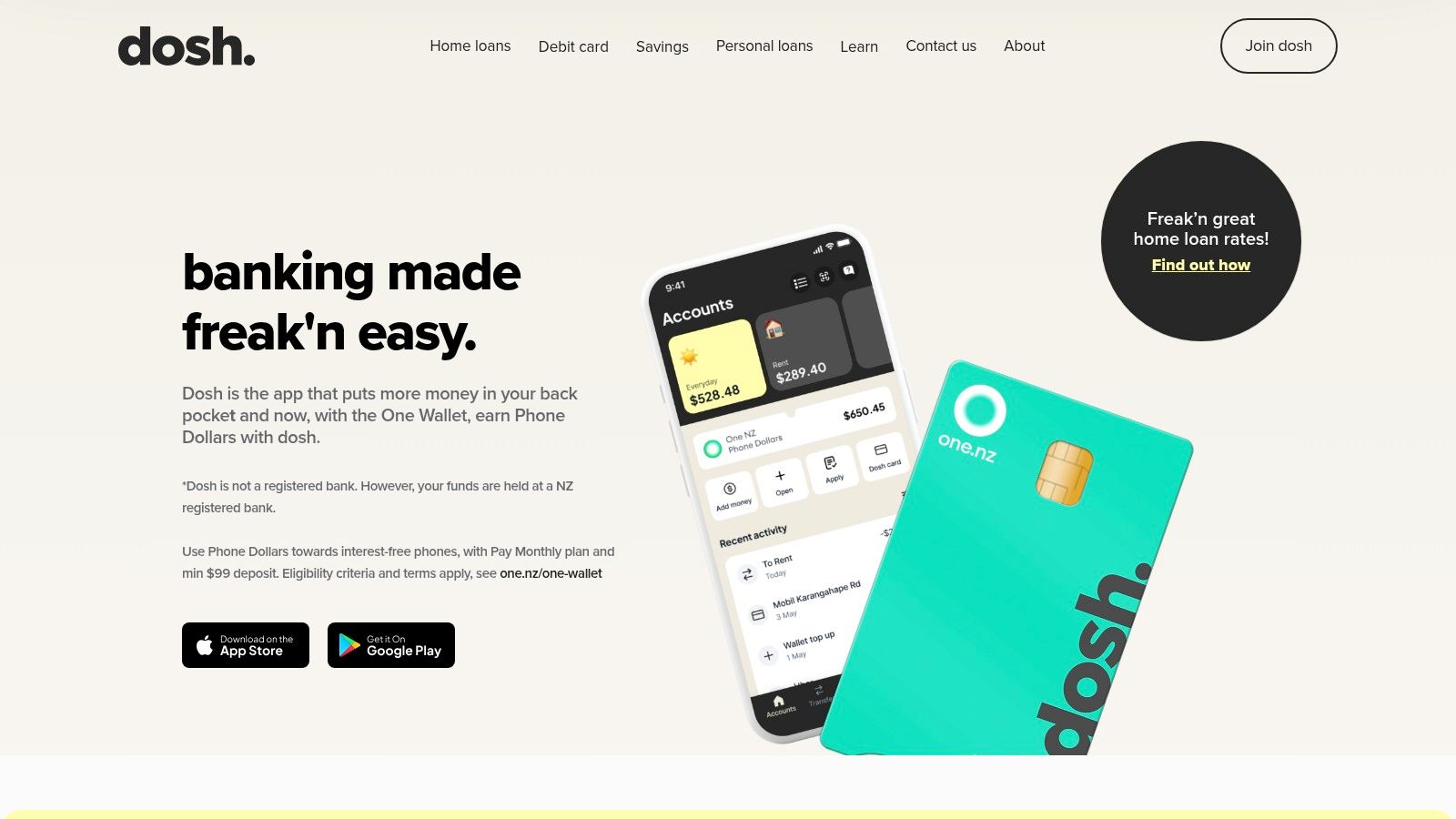
Dosh focuses on everyday money movement. The New Zealand wallet lets users send and receive money, transfer funds to a nominated bank account, and spend online or in shops with a Visa debit card.
The fee structure shows where convenience changes the economics. According to Dosh, opening an account, sending and receiving money through Dosh, and bank-transfer top-ups are free; instant top-ups incur a NZ$0.70 Windcave fee, while international card transactions attract a 2% foreign-exchange fee.
That distinction matters. A customer who plans ahead may use the wallet differently from someone who needs to add funds at the till.
New Zealanders already have strong electronic-payment habits. In its COVID-19 payments update, the Reserve Bank reported that 36% preferred contactless payments, while more than 70% made payments directly from bank accounts.
That's helpful ground for a wallet, but it also sets a high bar. A founder can't assume an app is more convenient than the customer's existing bank and card.
The practical test is blunt: does your product remove a step, or merely move it to another screen? Dosh is a useful example to study with that question in mind.
Your customer wants to buy a subscription. You want the payment recorded, the account activated and any failed renewal handled without a late-night spreadsheet session.
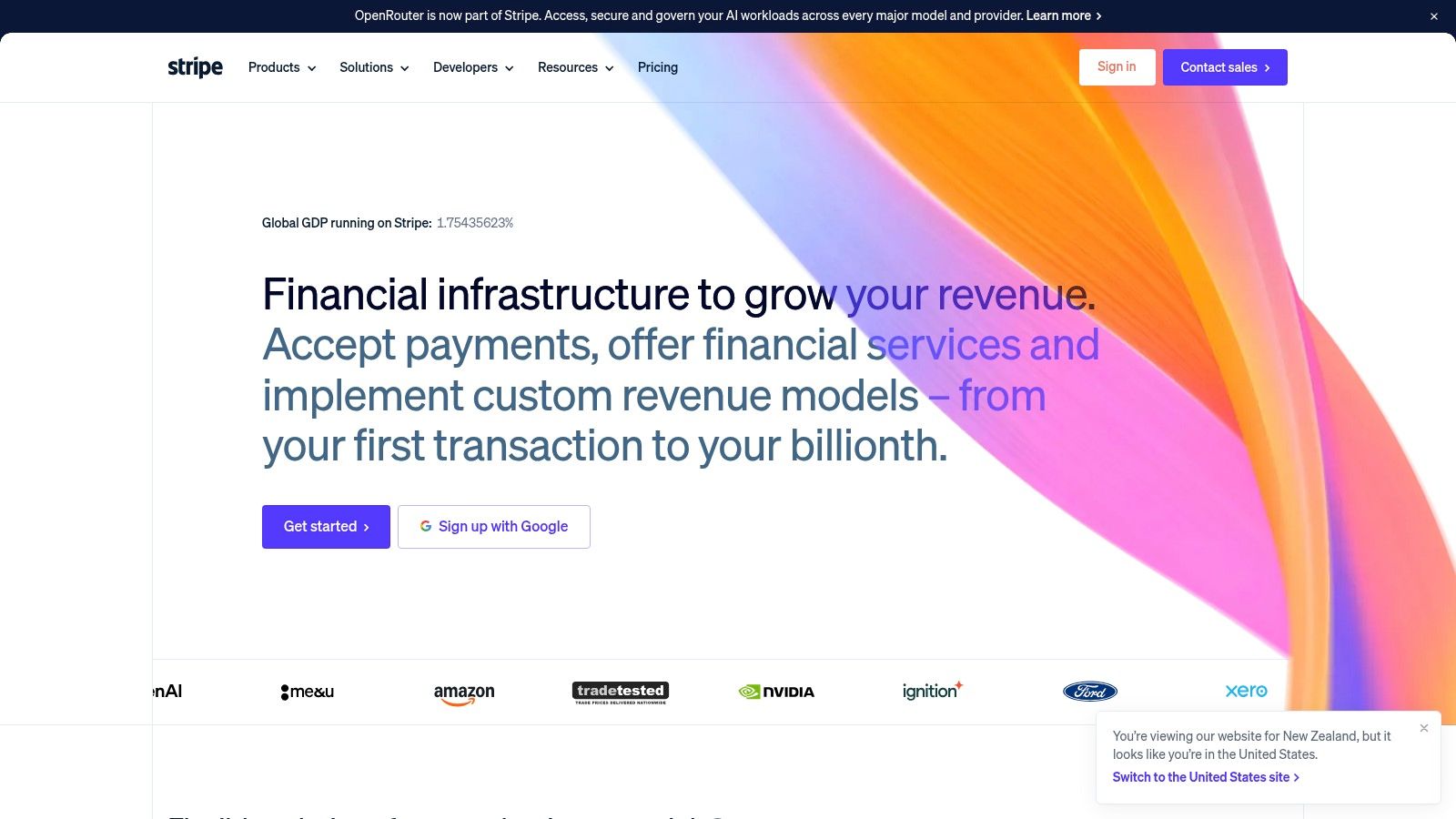
Stripe supplies payment infrastructure for those jobs. Its tools include card and digital-wallet payments, payment links, invoicing, in-person payments, subscription billing, and Stripe Connect for marketplace and platform payment flows.
The move worth copying is offering different entry points into the same service. A founder can begin with no-code payment links, while a development team can build a custom flow through APIs, the software connections between systems.
That's useful product design. Customers don't have to solve every future requirement before taking their first payment.
A successful checkout is only part of the job. Your system must also know which order was paid, what to fulfil and what happens if the payment is refunded.
The trade-off is cost and technical ownership. Per-transaction charges affect margin, while advanced billing or marketplace requirements can require development work. Don't compare processors using the headline card fee alone; map the payment methods and services your business will use.
The payment-processing solutions guide can help frame that comparison. For a custom checkout, payment gateway and form security also belongs on the reading list.
Best fit: Online businesses, subscription services and marketplaces that need payments connected to their product. Stripe isn't a reason to build a complicated checkout before you need one.
For founders copying the model, study how a simple starting point can lead to deeper use. Then make sure the advanced features solve real customer work, not just make the feature page longer.
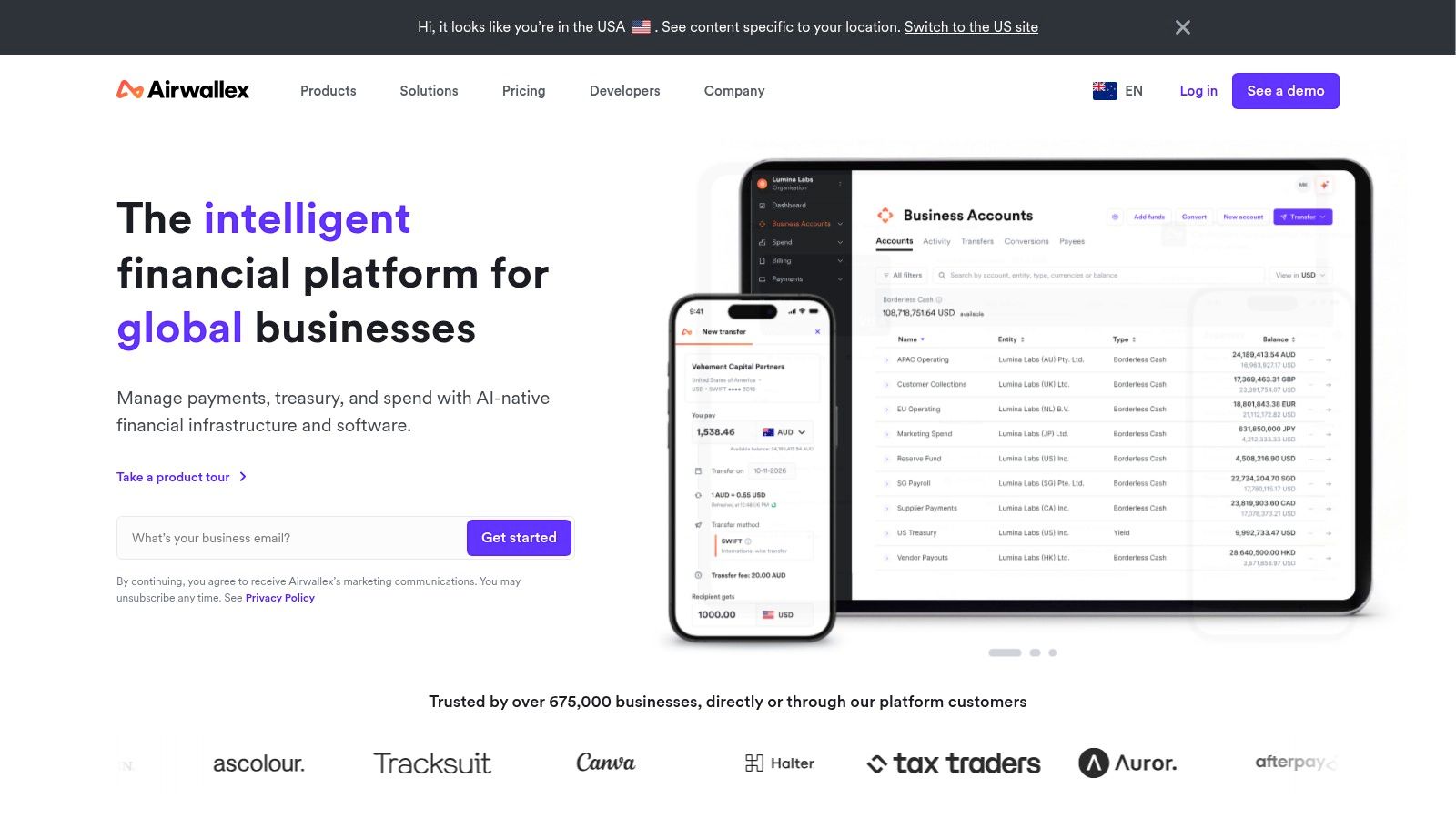
Cross-border finance gets awkward when receiving money, converting it, paying suppliers and tracking staff spending all happen in separate places.
Airwallex brings those business tasks together. Its New Zealand offering includes multi-currency accounts, local account details in supported markets, international transfers, foreign exchange, corporate cards and expense management. Accounting and ecommerce integrations connect those activities to the rest of the business.
The founder lesson is building around a related set of jobs, rather than adding unrelated features. A company receiving overseas revenue may also need to pay an overseas supplier. Keeping those tasks close can reduce manual hand-offs.
That's different from claiming to replace a bank. A useful comparison starts with what the business needs to receive, hold, convert and spend.
No monthly fee doesn't mean no cost. Run a representative month through the fee schedule, including the currencies you receive and the routes you use to pay people.
The international focus is relevant to Kiwi founders. A New Zealand Treasury case study reported that 84% of fintech sector revenue in 2023 came from offshore customers.
For your own product, the lesson isn't to launch everywhere. It's to choose an overseas workflow you can support properly, including local requirements, customer support and reconciliation. Geographic reach is useful only when the operational details hold up.
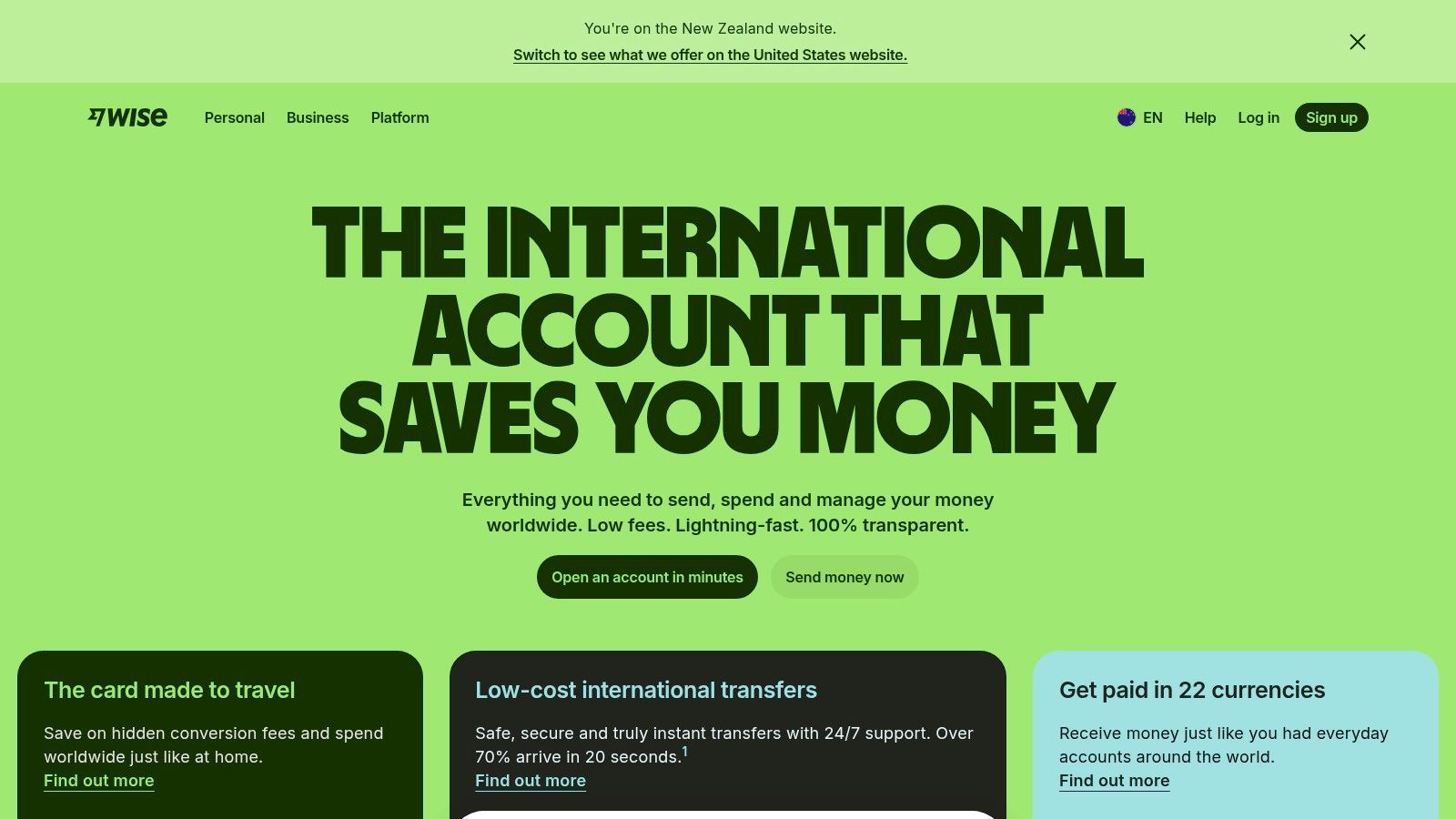
Wise makes a useful contrast with Airwallex. Rather than starting with a broad company-spending workflow, a founder can assess Wise around a narrower need: receiving, holding, converting and sending money across currencies.
Wise serves individuals and businesses. Wise Business provides supported currency balances and receiving details, international transfers, currency conversion and a debit card for spending available balances.
The move worth copying is showing how the customer pays. Wise lists a mid-market exchange rate and a separate conversion fee, which helps users distinguish the rate from the service charge.
According to Wise, Business pricing has no monthly subscription charge, while access to account details carries a one-time NZ$40 fee. Conversion and transfer costs vary by currency and transaction.
That structure can suit a business with regular overseas receipts or supplier payments. It still needs a real-world comparison, not a vague claim that one service is cheaper.
Take a Kiwi software studio paid by an Australian client. The useful questions are whether it can receive the payment as intended, what conversion costs, whether it needs the balance in New Zealand dollars, and how the transaction reaches its accounting records.
Cost check: Compare what the recipient gets and what your business pays in total, not just the exchange rate shown in large type.
Wise isn't a like-for-like substitute for every traditional business banking service. A company may still need other facilities, and supported currencies or account details won't necessarily cover every payment route.
For founders, transparency is the bigger lesson. Customers shouldn't need detective skills to understand a fee. Clear pricing won't remove every objection, but it lets people judge whether the service earns its cost.
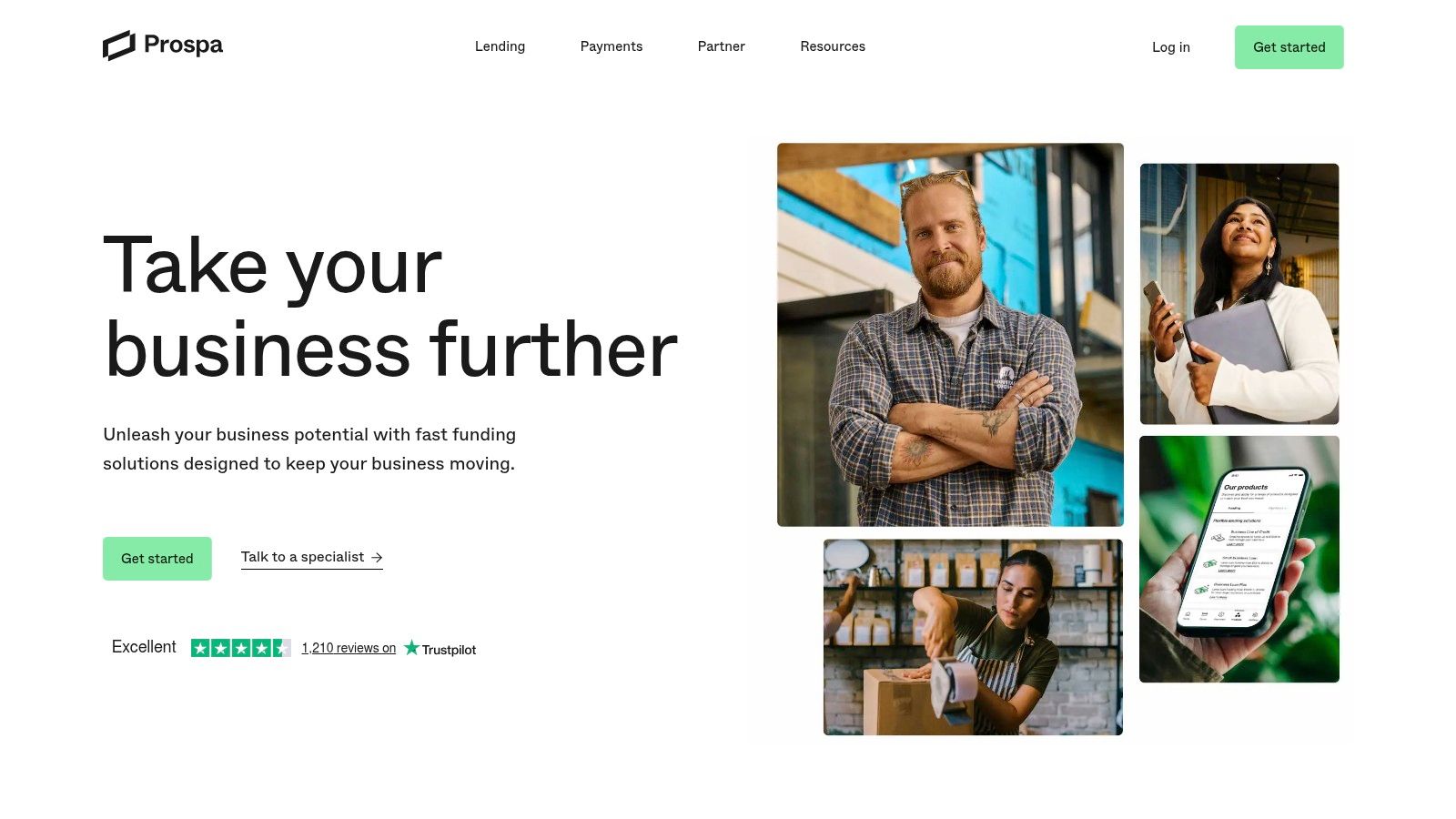
A café can be busy and still run short of cash. Stock gets paid for before it's sold, equipment breaks at inconvenient times, and invoices don't always arrive when expected.
Prospa offers business loans and a line of credit in New Zealand, alongside its Australian operation. Online applications and mobile access to the line of credit make it an example of digital delivery applied to business finance.
The move worth copying is matching different funding structures to different needs. A loan and a revolving line of credit aren't interchangeable.
A line of credit lets an eligible business draw funds as needed and charges interest on funds used rather than the full limit. A loan may better match a defined purchase, but the applicant still needs to assess its repayment schedule and total cost.
Funding decisions and access to money may be quick, subject to assessment. That's useful, but speed shouldn't crowd out the harder question: can the business repay comfortably if sales disappoint?
For an early-stage founder without dependable trading income, debt may not be the right starting point. Compare it with other routes in the guide to startup funding and grants.
As a product lesson, Prospa shows why lending tools need more than a smooth application. A founder must explain eligibility, obligations and repayment terms clearly. Reducing paperwork helps; reducing the customer's understanding of the commitment does not.
| Item | Fintech segment | Markets covered | Fee structure | Best for |
|---|---|---|---|---|
| Hnry | Tax and accounting for self-employed people | New Zealand | Pay-as-you-earn percentage fee, with an annual cap | Sole traders, contractors and freelancers seeking tax support |
| Sharesies | Investing and wealth technology | New Zealand and Australia; investments include NZ, Australian and US shares | Pay-as-you-go or monthly plans; fees vary by product and transaction | People seeking accessible investing and multiple wealth products |
| Dosh | Digital wallet and payments | New Zealand | No charge for opening an account or sending and receiving money; some transactions incur fees | People wanting a wallet for everyday payments and transfers |
| Stripe | Online payments infrastructure | Cross-border markets; availability varies by payment method | Per-transaction fees vary by payment method and circumstances | Online businesses, subscription services and marketplaces |
| Airwallex | Business payments and financial tools | New Zealand businesses with supported international markets and currencies | Plan and service fees vary; Explore plan has no monthly fee | Businesses managing international payments, currencies and spending |
| Wise | International transfers and multi-currency accounts | International markets and supported currencies | No monthly subscription; transfer and conversion fees vary; account details have a one-time fee | Businesses making regular cross-border payments |
| Prospa | Small-business lending | New Zealand and Australia | Interest rates and total costs depend on the applicant and product | Small businesses seeking loans or a line of credit |
The strongest pattern across these fintech examples isn't a particular technology. It's a specific job done with less effort.
Hnry acts when income arrives. Stripe connects payments to a business's sales flow. Wise makes cross-border costs easier to inspect, while Prospa offers different ways to borrow for different business needs.
Each also exposes a limit. A percentage fee can become more noticeable as income grows. A convenient card can have restrictions, and fast lending still creates repayment obligations.
Use a short checklist before adding financial features to your product:
Infrastructure deserves the same attention as the interface. The Reserve Bank's future-of-banking study describes how the Customer and Product Data Act 2025 established a consumer-data-right framework, with banking as its first designated sector.
For a founder considering open banking, that means consent, access conditions and bank coverage belong in product planning from the start. An attractive prototype isn't proof that every required connection is available.
I'd copy the narrowest useful move first. Finish a painful task well, make the fee understandable, and resist adding a financial product just because the integration exists.
Our directory has separate New Zealand and Australian company sections for comparing the regional markets. For the pricing decision, our SaaS Pricing Models: A Practical Guide for NZ & AU Founders offers another starting point. Use those resources to sharpen the customer and fee model before expanding the feature list.
NZ Apps covers app and tech companies across New Zealand and Australia, with a directory and practical editorial guides for founders and operators. Visit NZ Apps to compare relevant companies, explore local software categories and find context for your next fintech product decision.
Add your NZ or Australian app or tech company to the NZ Apps directory and get discovered by founders and operators across the region.
Get ListedReach tech decision-makers across New Zealand and Australia. Sponsored and dofollow editorial links, permanent featured listings, and sponsored articles on a DA30+ .co.nz domain.
See Options